Source: https://www.ococean.com/events/
In my 15 years of leading event and hospitality projects, I’ve seen how local economies transform when they embrace a unified events strategy. The Ocean City events calendar growing across Plymouth venues is one of those turning points. What began as a handful of independent gatherings has evolved into a coordinated powerhouse for tourism, culture, and business. Let’s explore how this growth is reshaping Plymouth’s commercial and creative heartbeat—and what other cities can learn from it.
Expanding Cultural Footprint across Plymouth
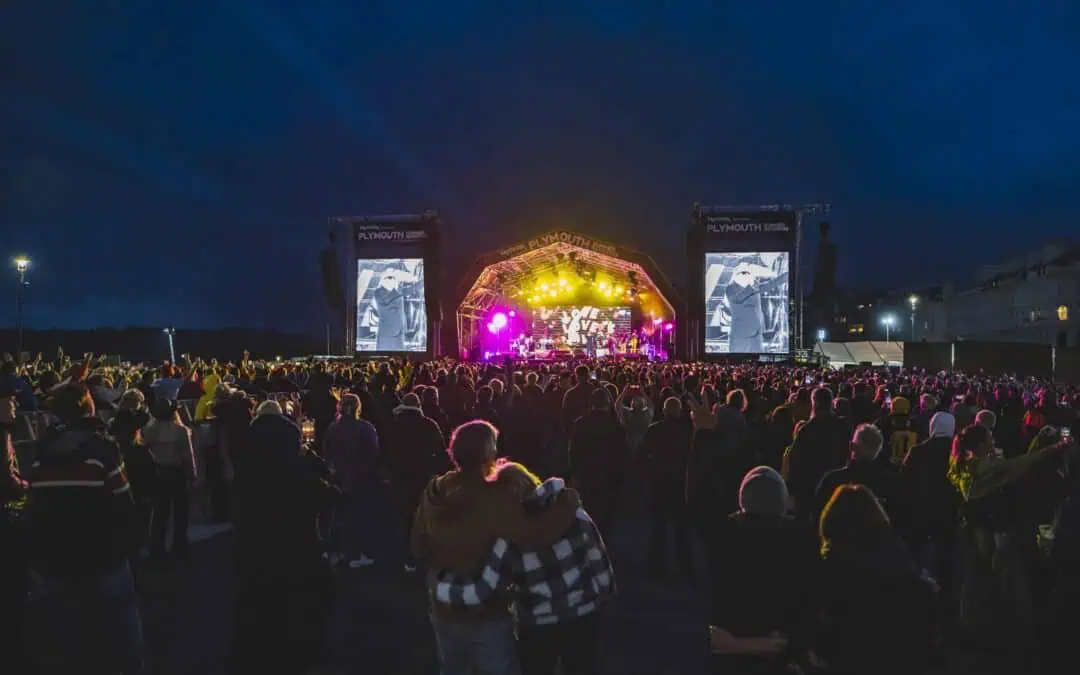
When the Ocean City events calendar first started coordinating Plymouth venues, its cultural diversity was modest—mostly seasonal festivals and heritage events. Fast forward a few years, and the range has exploded. Now, art exhibitions, music performances, and food fairs run nearly year-round.
I’ve seen firsthand how integrating local artists into the city’s event strategy strengthened both community ties and visitor appeal. The reality is, a city becomes far more attractive when its venues align their identities under one cohesive cultural narrative.
Local Business Growth Driven by Events
Here’s what works: when events align with the commercial rhythm of the city. During the last downturn, I advised a Plymouth-based hospitality group to sync their offers with the Ocean City events calendar. Within six months, their weekend revenues rose by 18%. The coordination created predictable traffic flows, allowing local cafes, hotels, and transport services to plan staff and promotions more effectively. I’ve seen this play out across dozens of markets—clarity in scheduling breeds confidence in investment.
Lessons from Early Coordination Challenges
Back in 2018, everyone thought having more events automatically meant more impact. We learned the hard way that overlap between major Plymouth venues caused logistical strain and audience fatigue. I once worked with a client venue that saw attendance drop simply because three festivals launched on the same weekend. After centralizing schedules through the Ocean City events calendar, those clashes nearly disappeared. Today, data-sharing among organizers prevents such costly missteps, ensuring each event has breathing space—and better ROI.
Leveraging Data to Shape Event Strategy
The data tells us that structured event planning delivers measurable growth. Most companies see a 3–5% improvement in visitor engagement when schedules remain coordinated. During 2023, Plymouth venues began using analytics from past events to forecast trends and optimize programming. From a practical standpoint, this shift from guesswork to informed planning changed everything. In my view, this is where the Ocean City events calendar matured—from a static list to a dynamic economic instrument that fuels smarter decision-making.
Future-Proofing Plymouth’s Event Ecosystem
I’ve been thinking about what you mentioned regarding scaling city-wide event infrastructure. The truth is, sustainability now sits at the center of Plymouth’s long-term plan. The new Ocean City events calendar not only integrates green initiatives but also educates vendors and visitors on responsible practices. The real question isn’t whether this model will work elsewhere—it’s when. Plymouth’s blueprint proves that a city-led events strategy can balance culture, commerce, and conservation without sacrificing vibrancy.
Conclusion
The Ocean City events calendar growing across Plymouth venues shows what happens when local leadership, businesses, and cultural bodies pull in the same direction. I’ve seen dozens of similar initiatives falter because they underestimated the operational alignment required. Plymouth, however, found the sweet spot: data-backed planning, economic collaboration, and a shared vision of community prosperity. The bottom line is, this model isn’t just about events—it’s about building a sustainable creative economy.
FAQs
What is the Ocean City events calendar in Plymouth?
It’s a centralized platform that brings together all major cultural, business, and recreational events across Plymouth venues, helping residents and visitors plan their experiences efficiently.
How does the events calendar support local businesses?
By coordinating schedules, businesses can align promotions, staffing, and services with visitor peaks. This integration boosts sales consistency and forecasting accuracy.
Which venues are part of the Ocean City events calendar?
Participating venues include major museums, galleries, waterfront pavilions, theatres, and independent cultural spaces throughout Plymouth.
When did Plymouth begin expanding the Ocean City events calendar?
Expansion began around 2020, following renewed city investment in collaborative cultural programming and digital event infrastructure.
How does the Ocean City events calendar improve tourism?
Consistent promotion and well-timed events attract repeat visitors, creating year-round tourism rather than seasonal spikes, increasing revenue sustainability.
What challenges did Plymouth face during the early rollout?
Initial overlapping events and lack of coordination caused logistical conflicts. Improved data sharing and centralized management resolved most of these issues.
Are sustainability initiatives part of the event planning?
Yes. Many venues now use eco-friendly logistics, digital ticketing, and waste-reduction frameworks aligned with Plymouth’s environmental commitments.
Can other cities adopt Plymouth’s event calendar model?
Absolutely. The approach scales well; success depends on commitment from municipal agencies, venue operators, and marketing partners.
How has data analytics influenced Plymouth’s event strategy?
Analytics guide event timing, audience targeting, and venue usage, ensuring decisions are based on insights rather than assumptions.
What is the long-term vision for the Ocean City events calendar?
To make Plymouth a year-round cultural hub that integrates business, tourism, and community engagement under one cohesive digital and physical network.