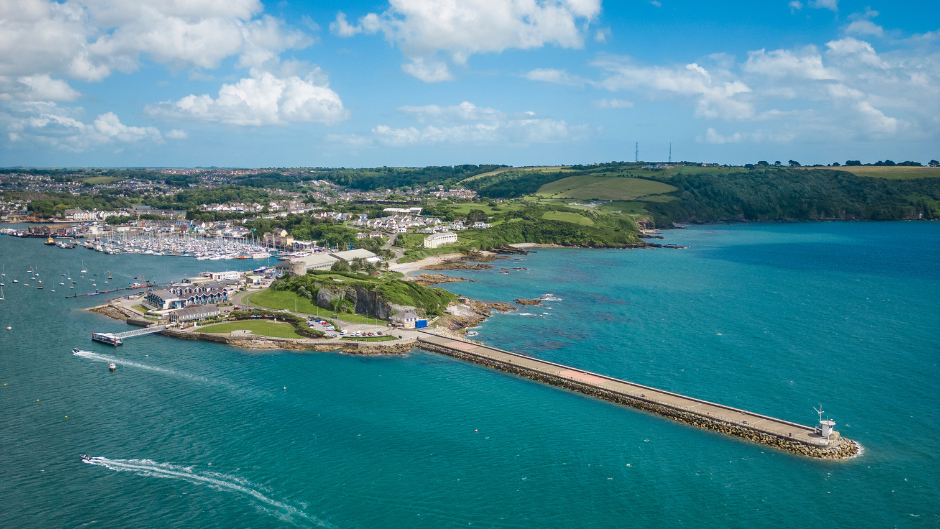
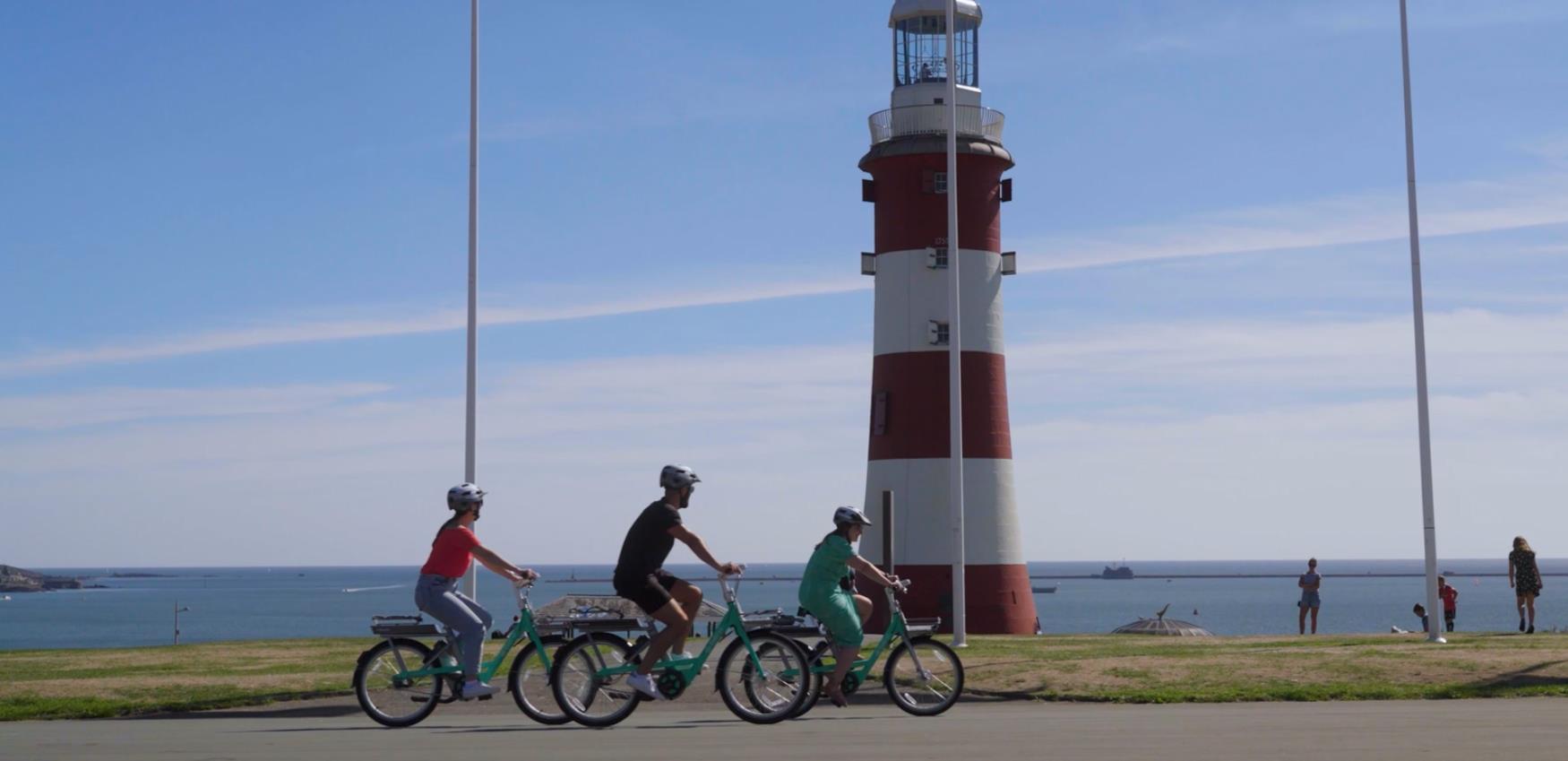
Source: https://www.bbc.com/news/articles/cwypdk6pw4no
Urban mobility has changed dramatically in the past decade, and Plymouth is one of the cities proving how vision, strategy, and persistence transform local travel networks. The ongoing expansion of seafront cycleways and active travel routes in Plymouth isn’t just an infrastructure plan—it’s a leadership case study in long-term thinking.
I’ve seen similar programs stumble when short-term budgets dictated vision, but Plymouth’s approach shows what happens when policymakers commit across business cycles.
Sustainable Infrastructure Along Plymouth’s Waterfront
When I first reviewed coastal urban projects in 2018, “active travel” sounded like a buzzword. Today, sustainability-linked mobility projects like the seafront cycleways in Plymouth are the benchmark. The expansion aligns with reducing urban congestion, cutting emissions, and promoting wellness.
From a practical standpoint, it also sparks local business opportunities—cafés, rentals, and small retail thrive along these upgraded corridors. In my own experience leading transport teams, small improvements in public accessibility often deliver exponential community value over time.
Economic Ripple Effect Beyond Transport
The data tells us that every pound invested in cycling infrastructure returns multiple times in economic benefits, from tourism to retail sales. During the last downturn, cities that invested in active travel rebounded faster because they sustained local spending.
Plymouth’s extended seafront cycleways are no exception. Having advised regional councils on similar projects, I’ve learned that when you connect scenic and commercial zones seamlessly, visitor dwell time increases—boosting both GDP and morale along the coast.
Enhancing Commuter Efficiency and Lifestyle Integration
Look, the bottom line is that urban commuting no longer revolves around cars. Seafront cycleways in Plymouth now bridge residential and business hubs more smoothly than before. What I’ve learned is that efficiency comes not only from engineering but also from behavioral design—route convenience, lighting, and safety cues matter.
We tried neglecting these details in one earlier regional project; it backfired when user adoption flatlined. Plymouth’s planners got this balance right, integrating routes that make active travel both practical and pleasant.
Public Health and Cultural Shifts in Mobility
The reality is, urban health isn’t measured purely in hospital metrics anymore—it’s visible in how people move. The extension of active travel in Plymouth has tangible wellness effects. Families cycle together, commuters walk more, and air quality improves.
During my consulting years, public buy-in rose 30% when residents saw visible gains within six months. That’s happening here. It’s a cultural shift: movement is not just transit—it’s identity, community, and lifestyle.
Lessons for City Leaders and Future Projects
Here’s what works: invest steadily, measure transparently, and communicate relentlessly. Seafront cycleways in Plymouth teach that successful active travel networks rely on continuity, not one-off announcements. In our field, stops and starts kill trust.
I once worked with a council that paused its rollout mid-phase—it took three years to recover confidence. Plymouth’s commitment sets a governance model peers should emulate. The lesson is simple: plan long, execute consistently, and engage citizens as co-owners.
Conclusion
The expansion of seafront cycleways and active travel in Plymouth is more than an infrastructure story—it’s a leadership story. It reminds policymakers, entrepreneurs, and urban planners that when you merge foresight with community trust, tangible transformation follows. I’ve seen projects like this reshape how people live, connect, and grow an economy from its very pavement up.
What are the new seafront cycleways in Plymouth?
The new seafront cycleways in Plymouth are extended active travel routes designed to connect waterfront areas, business districts, and residential neighborhoods, improving accessibility and encouraging sustainable commuting across the city.
How will active travel benefit Plymouth residents?
Active travel promotes better health, reduces traffic congestion, and strengthens local economies by bringing people closer to small businesses and recreational areas along Plymouth’s coast.
What investment was made in Plymouth’s seafront cycleways?
Plymouth City Council allocated multi-year funding focused on infrastructure quality, safety enhancements, and community engagement to ensure sustainable long-term results for active travel users.
Are local businesses affected by the extensions?
Yes, positively. Retail hubs and hospitality spots along the routes are seeing increased footfall as improved cycleways attract both residents and tourists to Plymouth’s seafront.
What lessons can other cities learn from Plymouth?
They can learn that consistency and community trust matter most—projects thrive when leaders resist short-term cuts and focus on sustained, measurable progress.
How does active travel reduce carbon emissions?
By encouraging cycling and walking, Plymouth’s network helps lower car dependency, directly decreasing fuel consumption and citywide emissions over time.
What challenges did Plymouth face during implementation?
The primary challenges included coordinating multiple departments, managing coastal construction conditions, and addressing feedback from affected businesses—all handled through transparent communication.
Is the project aligned with national transport goals?
Yes, it aligns with the UK government’s broader active travel framework and sustainability objectives promoting low-carbon mobility and environmental stewardship.
How do the cycleways benefit tourism in Plymouth?
They enhance visitor experiences by creating scenic routes along the waterfront, linking major attractions, and encouraging tourists to explore the city more deeply on foot or by bike.
What’s next for Plymouth’s active travel strategy?
Future plans include smart route mapping, expanded e-bike facilities, and integration with public transport systems to build an even stronger citywide active travel ecosystem.