
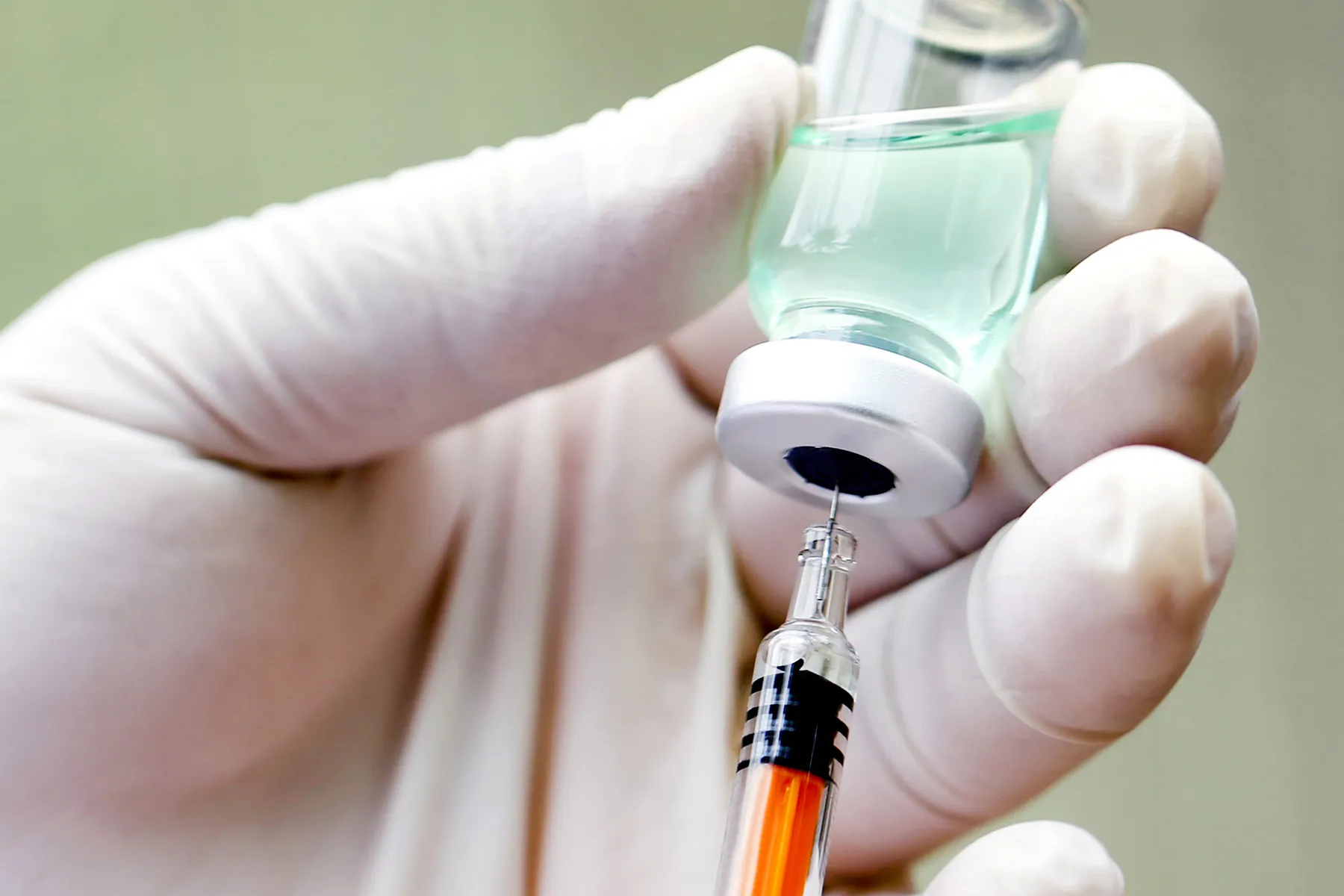
Interest in testosterone therapy has grown significantly as more men learn about hormone health, low testosterone symptoms, and testosterone replacement therapy. Search terms such as Buy Testosterone in UK are increasingly common, but testosterone is not an ordinary fitness supplement that should be purchased without understanding the medical and legal considerations involved.
Testosterone is a naturally occurring hormone that plays an important role in muscle development, sexual health, bone strength, mood, energy, and several other functions. When the body produces insufficient testosterone, doctors may diagnose testosterone deficiency or hypogonadism and consider medical treatment.
In the UK, however, testosterone and anabolic steroids are controlled medicines. The NHS describes anabolic steroids as prescription-only medicines and warns that taking them without appropriate medical supervision can cause serious physical and psychological side effects.
Anyone considering testosterone should therefore understand what legitimate treatment involves, why blood testing matters, how prescriptions work, and what risks can come from unregulated products.
Understanding Testosterone and Its Role in the Body
Testosterone is commonly associated with muscle growth, but its function extends far beyond the gym.
The hormone is produced primarily in the testicles in men, with smaller quantities produced by the adrenal glands. Women also naturally produce testosterone, although usually in much smaller amounts.
Healthy testosterone levels contribute to several biological processes, including:
- Maintaining muscle mass and strength
- Supporting bone density
- Regulating sexual desire
- Supporting sperm production
- Influencing energy levels
- Helping regulate mood
- Supporting red blood cell production
- Contributing to normal male physical characteristics
Testosterone levels naturally change throughout life. They typically rise during puberty and early adulthood and may gradually decline later in life.
A decline in testosterone does not automatically mean someone requires treatment. Symptoms associated with low testosterone can overlap with sleep problems, obesity, depression, chronic illness, stress, medication effects, thyroid problems, and other medical conditions.
This is one reason medical evaluation should come before treatment.
What Does Low Testosterone Mean?
Low testosterone, medically known as male hypogonadism in some circumstances, occurs when the body does not produce enough testosterone to support normal physiological function.
Possible symptoms can include reduced sex drive, erectile difficulties, loss of muscle mass, persistent fatigue, changes in mood, reduced concentration, and decreased body hair.
Some men may also experience decreased bone density or fertility problems.
The presence of one or two symptoms does not prove testosterone deficiency. Doctors normally consider symptoms together with laboratory test results and the person’s broader health history.
Testosterone levels also vary during the day, meaning the timing and interpretation of blood tests can matter.
Rather than starting testosterone because of tiredness or slower muscle growth alone, medical assessment helps establish whether hormone deficiency is actually responsible.
Buy Testosterone in UK: What Does UK Law Say?
People searching Buy Testosterone in UK should understand the distinction between legally possessing anabolic steroids for personal use and legally supplying or obtaining prescription medicines.
Anabolic steroids are classified as Class C drugs under UK law. GOV.UK states that anabolic steroids are an exception to the normal Class C possession penalty when possessed for personal use, but supplying or producing Class C drugs can carry serious criminal penalties.
The NHS further explains that anabolic steroids can only be issued by pharmacists with a prescription. It also states that personal importation rules are restricted and that supplying or selling steroids is illegal outside the permitted framework.
This distinction matters because online availability does not automatically make a medicine legitimate, regulated, or medically appropriate.
A website offering testosterone without meaningful medical assessment should not be treated as equivalent to a registered pharmacy dispensing medicine against a valid prescription.
Why Testosterone Is a Prescription Medicine
Prescription requirements exist because testosterone affects multiple systems throughout the body.
Treatment can change hormone levels, blood characteristics, fertility, cardiovascular risk factors, and other aspects of health. People receiving legitimate testosterone replacement therapy may therefore require ongoing clinical monitoring.
Before considering treatment, a healthcare professional may review factors such as:
- Symptoms
- Medical history
- Current medications
- Previous illnesses
- Fertility plans
- Blood pressure
- Hormone test results
- Other relevant laboratory findings
Medical supervision also gives patients somewhere to report side effects or unexpected changes.
The objective of legitimate testosterone therapy is not simply to maximise testosterone levels. Treatment is generally intended to address clinically confirmed deficiency while keeping the patient within an appropriate therapeutic range determined by medical professionals.
Testosterone Replacement Therapy Explained
Testosterone replacement therapy, commonly abbreviated to TRT, refers to medically prescribed testosterone used to treat appropriate cases of testosterone deficiency.
Different pharmaceutical preparations exist. Depending on the patient and the treatment prescribed, testosterone may be administered in different medically approved forms.
The appropriate option depends on clinical circumstances.
A doctor may consider how consistently a treatment maintains hormone levels, how convenient it is for the patient, how well it is tolerated, and whether monitoring shows that it is producing the desired clinical response.
TRT is therefore better viewed as ongoing medical treatment rather than a one-time purchase.
Someone receiving testosterone therapy may require follow-up appointments and repeat testing to determine whether treatment remains appropriate.
Medical Diagnosis Comes Before Treatment
Buying testosterone based solely on symptoms can create several problems.
Fatigue, for example, has many possible causes. Poor sleep, anaemia, depression, nutritional deficiencies, stress, diabetes, medication side effects, and thyroid disorders can produce similar complaints.
Reduced libido can also have psychological, relationship, cardiovascular, neurological, and medication-related causes.
Blood testing and medical history help distinguish testosterone deficiency from other conditions.
When another condition is responsible for the symptoms, taking testosterone may fail to solve the underlying problem while creating additional health risks.
A proper diagnosis gives patients a clearer understanding of what is actually happening.
Risks of Unsupervised Testosterone and Steroid Use
The potential health consequences of anabolic steroid misuse should not be underestimated.
According to the NHS, regular anabolic steroid misuse can be associated with cardiovascular problems, high blood pressure, high cholesterol, liver or kidney problems, fertility changes, severe acne, sexual dysfunction, and other physical effects.
Psychological effects can also occur.
The NHS lists mood swings, aggressive behaviour, paranoia, manic behaviour, hallucinations, and delusions among possible psychological effects linked to anabolic steroid misuse.
Not every person experiences the same effects, and risk depends on numerous factors. The possibility of serious complications is nevertheless one of the strongest reasons testosterone should be used under qualified medical supervision.
Testosterone and Fertility
Fertility is an important consideration that can easily be overlooked.
Men sometimes assume that increasing testosterone automatically improves every aspect of male reproductive health. The relationship is more complicated.
External testosterone can interfere with the body’s normal hormonal signalling involved in sperm production. Fertility goals should therefore be discussed with a healthcare professional before beginning testosterone replacement therapy.
This is particularly important for younger men who hope to have children.
A clinician may need to consider the cause of the testosterone deficiency, reproductive plans, and whether alternative approaches should be evaluated.
Making that conversation part of the initial assessment can prevent unpleasant surprises later.
Why Blood Testing Matters
Testosterone treatment without laboratory monitoring removes one of the major safeguards of legitimate therapy.
Initial testing can help confirm whether testosterone levels are genuinely low. Additional tests may be considered depending on symptoms, age, medical history, and clinical findings.
Once treatment begins, monitoring allows healthcare professionals to evaluate whether therapy is producing the expected response and whether changes require attention.
Test results should also be interpreted rather than viewed as isolated numbers.
Reference ranges can vary between laboratories, and clinical decisions depend on more than a single result.
The goal is to treat the individual rather than chase the highest possible testosterone number.
Online Testosterone Clinics in the UK
The growth of telemedicine has made remote medical consultations more common.
An online clinic can still operate within legitimate medical standards when qualified clinicians conduct appropriate assessments, arrange necessary testing, prescribe only when medically suitable, and use regulated pharmacy channels.
Patients should distinguish this model from websites that simply sell products.
A genuine medical service should make the prescribing process clear rather than treating testosterone like an ordinary retail product.
People can consider checking whether the healthcare professionals and pharmacy involved are appropriately registered with the relevant UK regulators.
The key question is not whether the consultation happens online or face to face.
The important issue is whether proper medical assessment and regulatory standards are followed.
The Problem With Unregulated Testosterone Products
Purchasing medicines from questionable sources creates uncertainty about what the product actually contains.
Packaging alone cannot guarantee authenticity.
An unregulated product may contain a different concentration than expected, inappropriate ingredients, contamination, or even a substance different from what the label claims.
For injectable products, manufacturing and sterility standards are particularly important because contamination creates additional health risks.
Regulated medicines pass through controlled manufacturing, prescribing, dispensing, and supply systems designed to protect patients.
Bypassing those systems means accepting risks that may be difficult to assess from the appearance of a vial, tablet, or package.
Testosterone Is Different From Legal Sports Supplements
Another source of confusion is the enormous market for products advertised as “test boosters.”
Dietary supplements and prescription testosterone are not the same thing.
A supplement marketed to support testosterone production does not contain prescription pharmaceutical testosterone simply because its advertising mentions hormones, masculinity, strength, or muscle development.
Consumers should read ingredient lists carefully and remain cautious about exaggerated claims.
Anyone experiencing persistent symptoms associated with hormone deficiency is generally better served by seeking medical assessment than repeatedly purchasing supplements hoping they will correct an undiagnosed hormonal problem.
Steroids for Muscle Building Versus Medical TRT
Medical TRT and non-medical anabolic steroid use should not be treated as interchangeable.
Testosterone replacement therapy is intended to address medically identified hormone deficiency.
Performance-enhancing steroid use generally involves a different objective: increasing muscle growth, strength, or athletic performance beyond normal physiological levels.
Those different goals can produce dramatically different patterns of use and risk.
The NHS specifically warns that anabolic steroids are sometimes taken without medical advice to increase muscle mass and athletic performance and states that such misuse can cause serious side effects and addiction.
Calling performance-enhancing steroid use “TRT” does not automatically make it medically supervised replacement therapy.
Can Anabolic Steroids Become Addictive?
Dependence is another issue worth considering.
The NHS states that anabolic steroids can be addictive and that people may experience cravings, tolerance, and withdrawal symptoms when stopping them.
Potential withdrawal symptoms can include low mood, anxiety, difficulty concentrating, sleep problems, reduced libido, fatigue, headaches, and muscle or joint discomfort.
Someone who believes steroid use has become difficult to control should seek professional medical or drug-support assistance rather than trying to hide the problem.
Early help can make the situation easier to manage.
How to Approach Testosterone Treatment Safely
People concerned about low testosterone can take a much more reliable route than purchasing hormones without assessment.
Start with symptoms.
Keep track of changes involving energy, sexual health, mood, strength, sleep, and general wellbeing. Consider whether other health or lifestyle changes happened around the same time.
Then discuss those concerns with a qualified healthcare professional.
When appropriate, laboratory testing can help establish whether testosterone deficiency is present and whether further investigation is required.
If treatment is recommended, follow the prescribed plan and attend monitoring appointments.
Avoid changing the amount used based on gym advice, social media posts, bodybuilding forums, or another person’s prescription.
Hormone treatment should be individualised.
Questions to Ask Before Starting TRT
Patients considering testosterone replacement therapy may find it useful to ask their clinician several questions.
What evidence shows that testosterone is low?
Could another condition explain the symptoms?
What benefits should realistically be expected?
What side effects should be reported?
How will treatment be monitored?
Could testosterone affect fertility?
How often will blood tests or follow-up appointments be needed?
What happens if treatment does not improve symptoms?
These questions transform the process from simply acquiring testosterone into making an informed medical decision.
That distinction is important.
Making an Informed Decision About Testosterone in the UK
Searching online for Buy Testosterone in UK can produce countless offers, claims, forums, advertisements, and opinions. Availability, however, should never be confused with safety or medical suitability.
Testosterone is a powerful hormone with legitimate clinical uses, but it also has meaningful risks when used without appropriate medical oversight.
UK guidance treats anabolic steroids as controlled substances, while legitimate pharmaceutical testosterone is supplied through regulated medical channels.
For someone experiencing possible symptoms of testosterone deficiency, the most useful first step is not finding the fastest seller. It is determining whether low testosterone is actually present.
A medical assessment, reliable laboratory testing, a valid prescription when appropriate, regulated medicine, and ongoing monitoring create a much safer foundation for treatment.
Testosterone therapy can be valuable for properly selected patients, but responsible treatment begins with diagnosis rather than purchasing. Anyone concerned about hormone levels should discuss their symptoms with a qualified UK healthcare professional and make the decision using medical evidence rather than marketing promises.